The Most Common HVAC Problems and How to Prevent Them Year-Round
Understand common HVAC problems and keep your system running smoothly with Tortoise Heating and Air. Prevent issues year-round—learn more now!

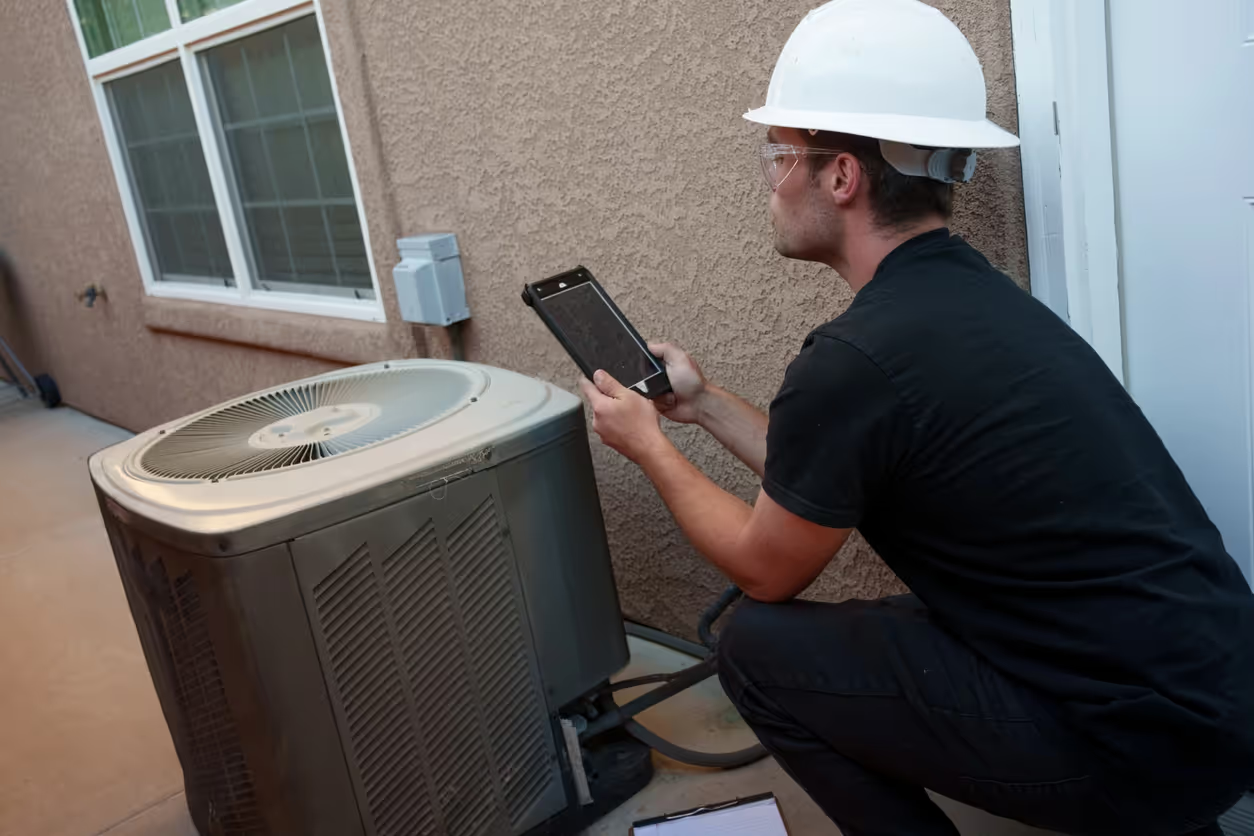
A reliable HVAC system is essential for maintaining comfort throughout every season. When your heating and cooling equipment runs properly, you enjoy balanced temperatures, steady airflow, and improved indoor air quality. However, even well-maintained systems can develop issues over time, and many of the most common HVAC problems often start small before becoming major repairs. The good news is that most of these issues can be prevented with basic awareness and proactive maintenance. Understanding what can go wrong—and how to stop it—helps keep your system efficient, reliable, and long-lasting.
Homeowners often face the same set of recurring HVAC concerns, from inefficient airflow to unexpected breakdowns. These problems not only affect comfort but can also increase energy bills and put unnecessary stress on system components. With practical preventive steps and routine professional care, you can avoid costly repairs and enjoy consistent performance year-round.
One of the most frequent HVAC problems is a dirty or clogged air filter. When filters become overloaded with dust, pet hair, or debris, they restrict airflow and force your system to work much harder. This can lead to reduced cooling or heating performance, higher energy usage, and excessive wear on components like blower motors and coils.
Dirty filters can also worsen indoor air quality, triggering allergies or leaving more dust throughout your home. In extreme cases, a clogged filter can cause the system to overheat or freeze up, resulting in a complete shutdown.
How to prevent it:
Replace your air filter every one to three months. Homes with pets, allergies, or heavy system use may need more frequent changes. Inspect filters regularly and choose high-quality options that balance airflow and filtration efficiency.
Refrigerant plays a key role in cooling performance. When the system develops a leak, it can no longer absorb heat properly, resulting in longer run times, higher energy bills, and warmer indoor temperatures. Low refrigerant levels can also cause the evaporator coil to freeze, which can lead to water leaks and compressor damage if ignored.
Refrigerant leaks often occur due to worn service valves, aging copper lines, corrosion, or loose connections. Because refrigerant is not consumed like fuel, a system that is low on refrigerant always indicates a leak.
How to prevent it:
Schedule annual inspections to ensure refrigerant levels are correct. If cooling performance suddenly drops or you notice ice on the outdoor unit, call a professional right away. Early detection helps prevent severe damage to the compressor and coil.
A malfunctioning or inaccurate thermostat can cause short cycling, insufficient heating or cooling, or inconsistent indoor temperatures. Sometimes the issue is simple, such as old batteries or incorrect settings. In other cases, the thermostat may be outdated, improperly installed, or experiencing electrical problems.
Even when the HVAC equipment is functioning correctly, a faulty thermostat can make the system behave unpredictably. This can reduce comfort and cause unnecessary wear on components.
How to prevent it:
Replace thermostat batteries once a year and ensure the unit is level, clean, and located away from direct sunlight or drafts. Consider upgrading to a programmable or smart thermostat for improved temperature control and energy savings.
Weak airflow is a common HVAC complaint. It often stems from issues within the ductwork, including leaks, blockages, damaged sections, or poor design. Even small gaps in ducts can cause a significant loss of conditioned air, reducing comfort and increasing energy consumption.
In older homes, ducts may sag or become disconnected over time. Dust and debris can also accumulate inside, restricting airflow and impacting indoor air quality.
How to prevent it:
Have your ductwork inspected periodically for leaks, damage, or blockages. Sealing and insulating ducts can improve airflow and efficiency. Keeping vents clean and open also helps maintain consistent circulation throughout the home.
Evaporator coils can freeze for several reasons, including restricted airflow, low refrigerant levels, or a malfunctioning blower motor. When coils freeze, they cannot absorb heat effectively, causing the system to run longer and struggle to cool the home. Once the coil thaws, water may leak around the indoor unit, leading to potential water damage.
Frozen coils are often a symptom of an underlying issue that needs immediate attention.
How to prevent it:
Replace air filters regularly, monitor refrigerant levels, and ensure the blower motor is functioning properly. If you notice ice on the system or reduced airflow, shut the system off and contact an HVAC professional.
HVAC systems rely on numerous electrical parts, including capacitors, relays, wiring, and contactors. Over time, these components can wear out or fail, especially during peak season when the system cycles frequently. Electrical issues can cause the system to fail unexpectedly, short cycle, or stop running entirely.
Because many electrical components operate under high voltage, repairs must be handled by a trained professional.
How to prevent it:
Have electrical components inspected during routine maintenance. Regular tune-ups can catch weak or failing parts early, preventing surprise breakdowns and extending system life.
As your air conditioner cools the air, it produces condensation. This water drains through a small pipe, but that drain line can clog with algae, debris, or sediment. When the line becomes blocked, water backs up into the system and may leak around the indoor unit. This can cause mold growth, damage to flooring, or system shutdowns if the safety switch activates.
Clogged drain lines are especially common in warm climates where humidity levels are high.
How to prevent it:
Flush the drain line periodically with distilled vinegar to reduce bacterial buildup. During annual maintenance, ask your technician to inspect and clean the condensate system thoroughly.
HVAC systems contain motors, belts, bearings, and fans that experience natural wear over time. Without proper lubrication and routine care, these parts can become noisy or seize up, reducing efficiency and increasing the risk of equipment failure.
Wear and tear often occurs gradually, making it difficult for homeowners to detect until performance issues begin.
How to prevent it:
Routine tune-ups help ensure all moving parts are lubricated, aligned, and functioning properly. Early maintenance prevents friction-related damage and prolongs the life of mechanical components.
Short cycling happens when the HVAC system turns on and off more frequently than normal. This can occur due to an oversized system, thermostat issues, low refrigerant, or airflow restrictions. Short cycling increases energy usage and causes premature wear on compressors and motors.
Because short cycling reduces the system’s ability to regulate temperature consistently, homeowners often notice uneven cooling or heating from room to room.
How to prevent it:
Address airflow issues, ensure the thermostat is functioning correctly, and schedule professional diagnostics to identify the underlying cause. A properly sized and tuned system should cycle evenly and efficiently.
Preventing HVAC problems begins with regular maintenance. Scheduled inspections, cleanings, and tune-ups ensure your system operates smoothly while helping technicians identify small issues before they escalate. Year-round preventive care supports better performance, increased energy efficiency, and fewer unexpected repairs.
Homeowners who stay proactive enjoy improved comfort and greater peace of mind, knowing their heating and cooling equipment is ready for every season. If you want your system to run reliably year-round, routine care is the best investment you can make.
If you’d like this blog branded for a specific HVAC company or customized further, feel free to send the details.
.avif)

.avif)

.avif)

When your heater won't start on a chilly October night, you need to know if it's safe to wait until morning. Learn to spot real safety hazards versus minor startup quirks.

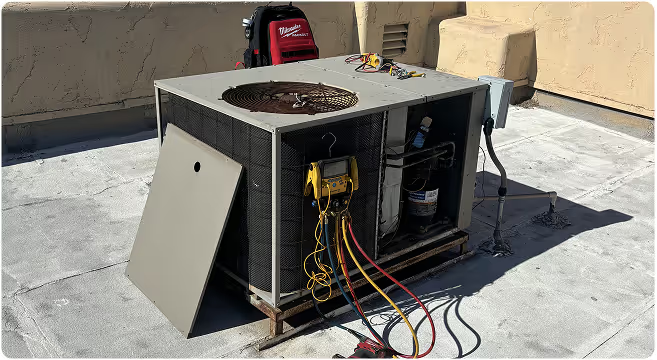
Facility managers have a brief window this fall to evaluate aging RTUs that struggled through summer. Use this framework to decide whether to repair or replace your system before the cold hits.
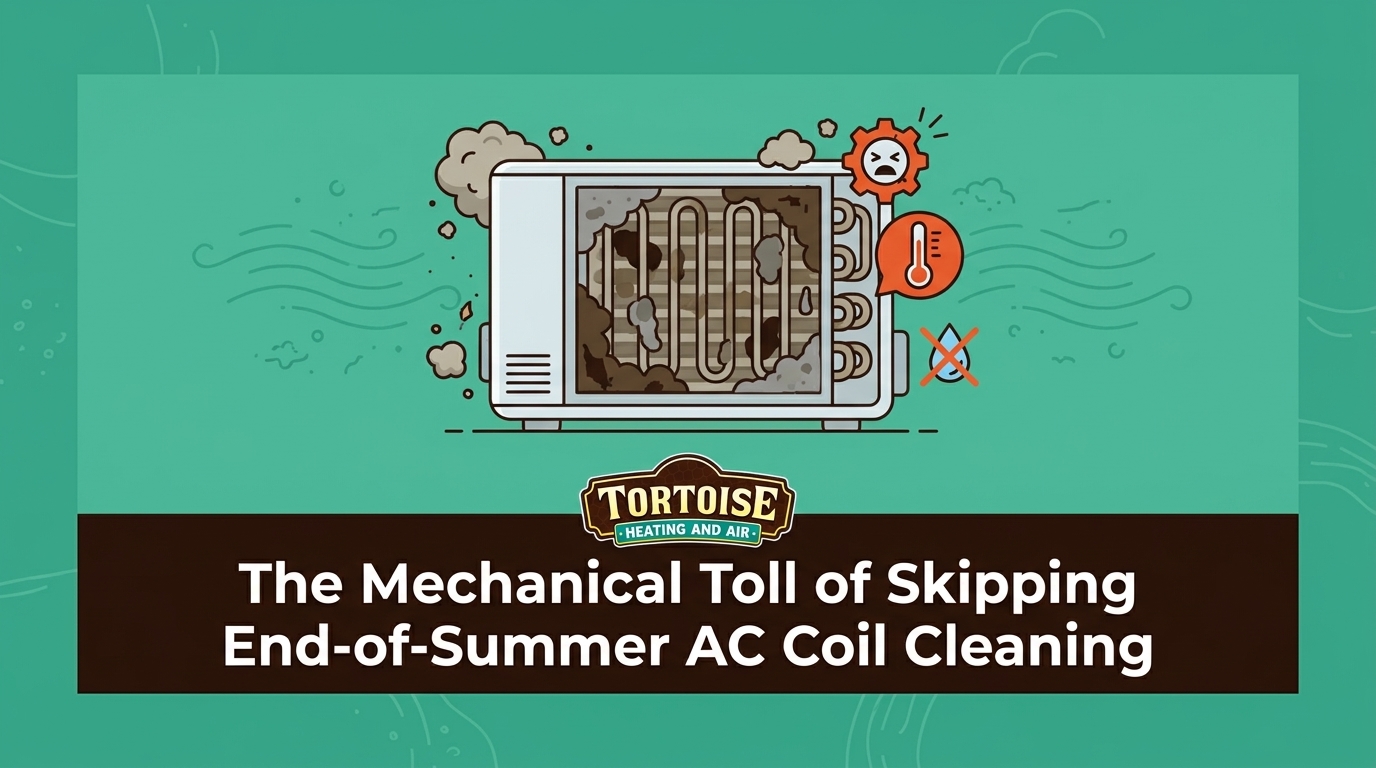
Monsoon season leaves baked-on debris coating your AC condenser. Before letting that grime sit dormant all winter, see why post-season cleaning is essential to prevent severe mechanical strain.

Turning on your heating system for the first time this fall shouldn't cause panic. Find out what causes that alarming smoky odor and how to tell a normal seasonal burn-off from a real hazard.

Get essential HVAC maintenance tips from Tortoise Heating and Air to boost comfort and efficiency in your home. Improve performance—learn more today!
Understand common HVAC problems and keep your system running smoothly with Tortoise Heating and Air. Prevent issues year-round—learn more now!

Choosing the right HVAC system for your home is easier with Tortoise Heating and Air. Explore expert insights and key factors—learn more today!