Top HVAC Maintenance Tips Every Homeowner Should Know for Better Comfort and Efficiency
Get essential HVAC maintenance tips from Tortoise Heating and Air to boost comfort and efficiency in your home. Improve performance—learn more today!


Maintaining a comfortable home depends on an HVAC system that runs reliably in every season. Many homeowners overlook routine maintenance until problems begin to surface, which often leads to higher energy bills, uneven temperatures, or unexpected breakdowns. A well-maintained system not only improves comfort but also helps reduce operating costs and extend equipment life. At Tortoise Heating and Air, we help homeowners stay ahead of common issues with practical, preventive care strategies that keep heating and cooling systems running as efficiently as possible.
Regular maintenance doesn’t have to be complicated. With the right habits and professional support, you can protect your investment and enjoy consistent indoor comfort throughout the year. Below are essential HVAC maintenance tips every homeowner should know, along with guidance on when it’s best to call in the experts at Tortoise Heating and Air for help.
One of the simplest and most effective maintenance steps is replacing your HVAC air filters. Dirty filters restrict airflow, causing your system to work harder and use more energy. When airflow is blocked, homeowners often notice longer run times, warm or cool spots around the house, or reduced indoor air quality.
Most homes require filter changes every one to three months, depending on household size, pets, allergies, and system use. High-efficiency filters may last longer, but they should still be checked routinely. If you notice dust around vents or that your system seems louder than usual, it may be time for a replacement. Staying consistent with filter changes not only supports efficiency but helps protect sensitive HVAC components from dirt buildup and premature wear.
Your outdoor condenser or heat pump unit plays a major role in how effectively your HVAC system operates. When debris builds up around it, the system struggles to transfer heat, which reduces capacity and increases energy consumption. Leaves, dirt, grass clippings, and even overgrown vegetation can block airflow and put unnecessary strain on the equipment.
A few simple steps can make a big difference:
• Trim shrubs and plants at least two feet away from the unit
• Remove leaves and debris from the base and surrounding area
• Gently spray the fins with a garden hose to clear dust buildup
• Ensure the unit sits level to maintain proper refrigerant flow
Keeping the outdoor unit clear helps maintain efficiency and reduces the likelihood of overheating. If you notice unusual noises or the unit appears tilted or damaged, contacting Tortoise Heating and Air at (480) 670-2558 is the best next step.
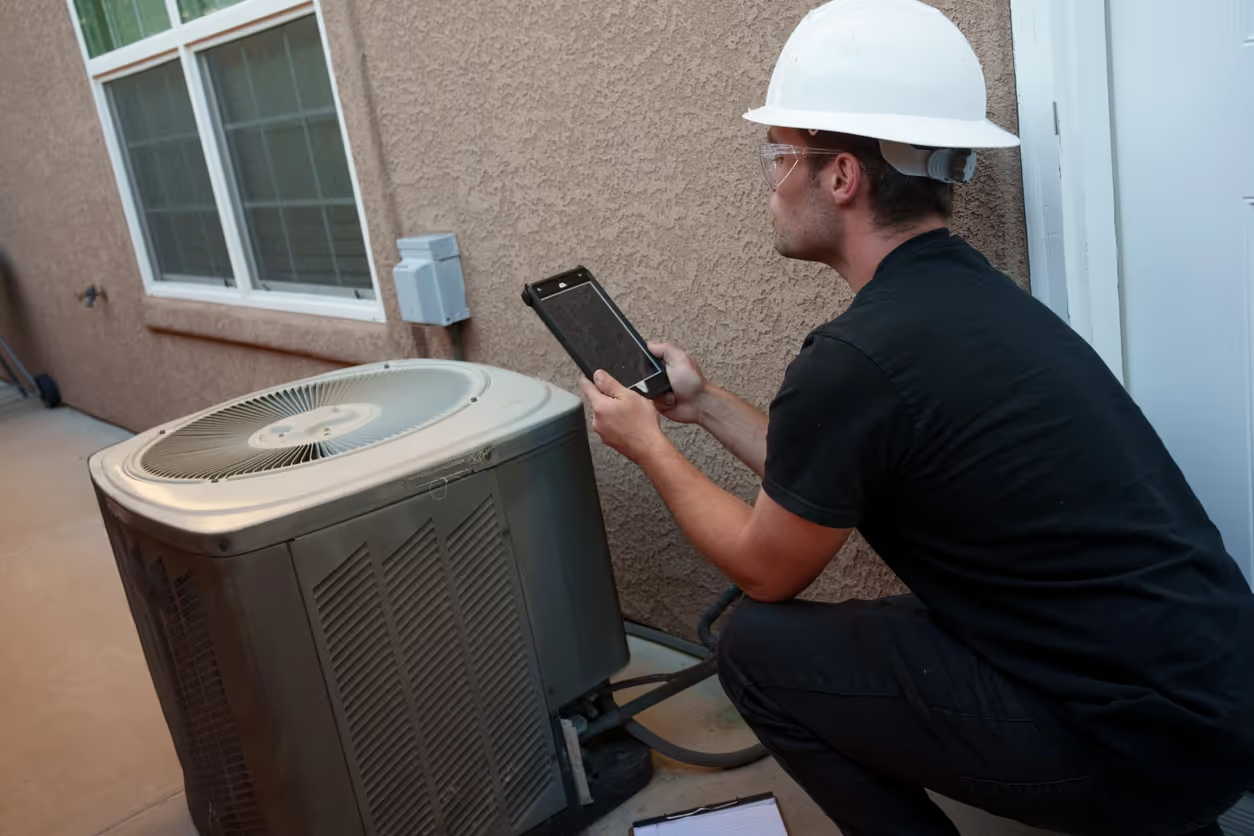
While basic tasks can be handled by homeowners, full system tune-ups are best left to trained professionals. A comprehensive inspection ensures your HVAC system is operating safely and efficiently. During a tune-up, a technician checks components such as electrical connections, refrigerant levels, blower motors, safety controls, thermostat settings, and more.
Annual maintenance appointments—one in spring and one in fall—help prevent major repairs, reduce energy waste, and prolong the lifespan of your equipment. These appointments also allow technicians to find small issues early, before they become expensive failures. Many homeowners notice improved comfort almost immediately after a professional tune-up because airflow and performance are restored.
Over time, dust and debris accumulate in your supply and return vents. This buildup restricts airflow, contributes to indoor air quality concerns, and makes your HVAC system work harder. Regularly vacuuming vents and removing the grilles for deep cleaning can significantly improve airflow.
When cleaning, always ensure vents remain open and unobstructed. Closing vents in unused rooms may seem like a way to save energy, but it actually disrupts system balance and increases pressure inside your ductwork. Keeping vents clean and open ensures proper circulation and allows your system to distribute conditioned air evenly.
Your thermostat controls how often your HVAC system runs and how much energy it uses. When a thermostat malfunctions or is placed in a poor location—such as near direct sunlight or close to appliances—it can cause inaccurate temperature readings. This leads to unnecessary run cycles or short cycling, both of which reduce efficiency.
If your home frequently feels too warm or too cool despite adjustments, consider upgrading to a programmable or smart thermostat. These devices help optimize energy use during times when the home is empty or when household members are sleeping. Professional installation ensures the thermostat is calibrated correctly and communicates accurately with your HVAC system.
Strange noises or unexpected odors should never be ignored. Grinding, banging, or rattling sounds may indicate loose parts, a failing motor, or debris in the blower. Musty odors might point to moisture buildup or dirty ductwork, while burning smells can signal electrical issues.
These symptoms rarely disappear on their own. Addressing them early prevents more severe problems and keeps your home safe. When something doesn’t seem right, scheduling a diagnostic visit from Tortoise Heating and Air ensures a timely solution and protects your system from costly damage.
A well-maintained HVAC system can still struggle if your home lacks proper insulation or has significant air leaks. Warm or cool air can escape through poorly sealed windows, doors, attics, or crawl spaces, forcing the HVAC system to work harder. Improving insulation reduces this energy loss and helps maintain consistent temperatures.
Simple inspections can reveal major problem areas. For example, drafts near windows or doors indicate air leakage, while uneven temperatures between rooms may signal insufficient insulation. Addressing these issues supports HVAC efficiency and reduces overall heating and cooling expenses.
Air conditioners produce condensation, which drains through a small PVC line. When this line becomes clogged with algae, dirt, or sediment, water can back up into the system and cause leaks or equipment damage. Checking the drain line and keeping it clear helps prevent these issues.
Pouring a small amount of vinegar through the drain line every few months can reduce buildup. If you notice water pooling around your indoor unit or excess humidity indoors, the drain may already be blocked and should be cleared by a professional.
Even with excellent maintenance, HVAC systems eventually reach the end of their lifespan. Older equipment often struggles to maintain efficiency, leading to higher energy bills and frequent repairs. If your system is more than 10 to 15 years old, replacement may be a better long-term investment.
Signs that replacement might be the right option include:
• Rising energy bills
• Frequent repairs
• Uneven temperatures throughout the home
• Excessive noise
• Noticeable decline in indoor air quality
Upgrading to modern, energy-efficient equipment provides improved comfort, lower utility costs, and greater reliability. Tortoise Heating and Air can help you determine the best system for your home and ensure a professional installation.
When homeowners stay proactive with HVAC maintenance, they enjoy more reliable performance, healthier indoor air, and better overall comfort. If you need professional support, seasonal maintenance, or expert system care, the team at Tortoise Heating and Air is here to help. Contact us at (480) 670-2558 to schedule your next service appointment.
.avif)

.avif)

.avif)

When your heater won't start on a chilly October night, you need to know if it's safe to wait until morning. Learn to spot real safety hazards versus minor startup quirks.

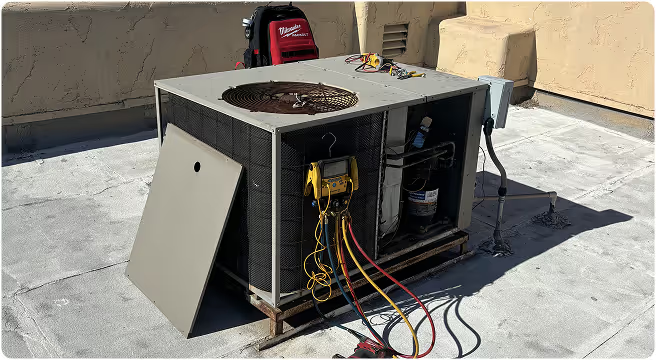
Facility managers have a brief window this fall to evaluate aging RTUs that struggled through summer. Use this framework to decide whether to repair or replace your system before the cold hits.
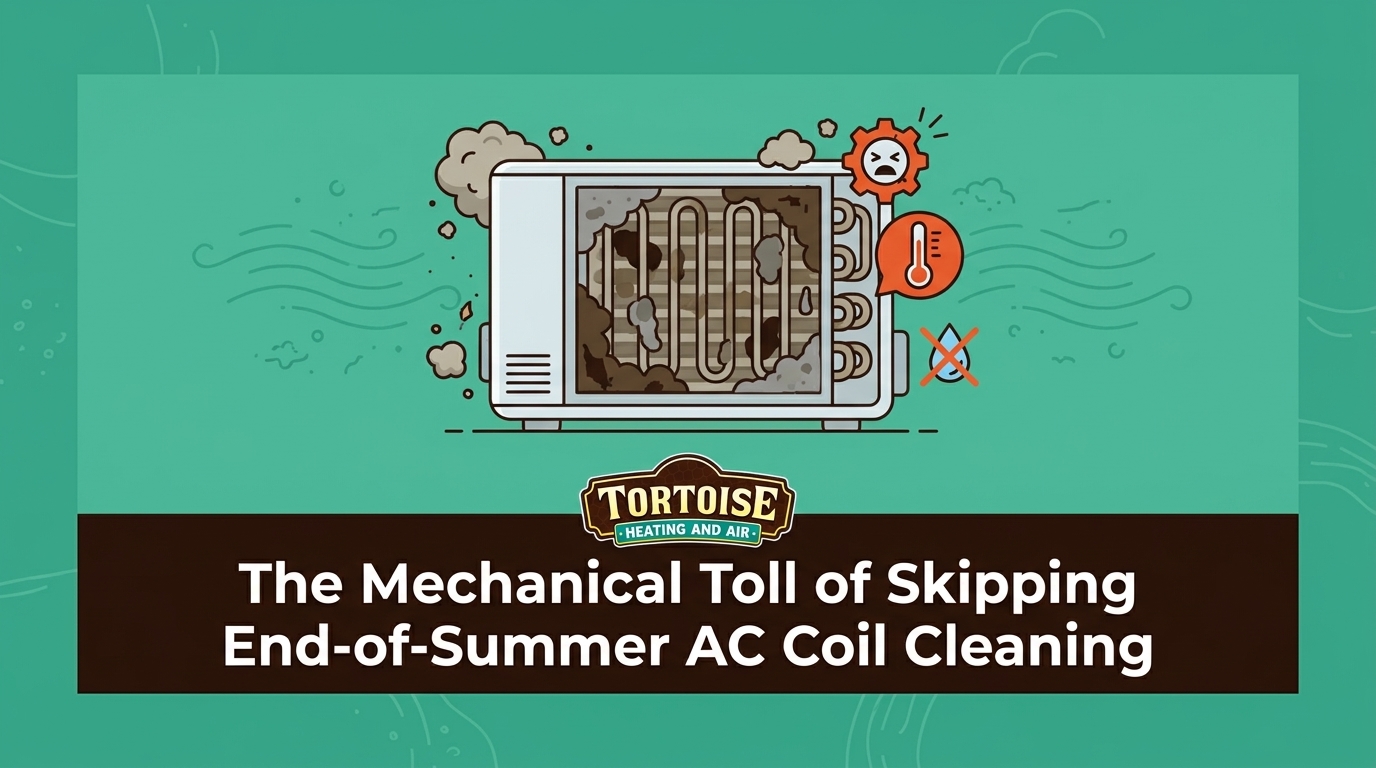
Monsoon season leaves baked-on debris coating your AC condenser. Before letting that grime sit dormant all winter, see why post-season cleaning is essential to prevent severe mechanical strain.

Turning on your heating system for the first time this fall shouldn't cause panic. Find out what causes that alarming smoky odor and how to tell a normal seasonal burn-off from a real hazard.
Get essential HVAC maintenance tips from Tortoise Heating and Air to boost comfort and efficiency in your home. Improve performance—learn more today!
Understand common HVAC problems and keep your system running smoothly with Tortoise Heating and Air. Prevent issues year-round—learn more now!

Choosing the right HVAC system for your home is easier with Tortoise Heating and Air. Explore expert insights and key factors—learn more today!