How to Choose the Right HVAC System for Your Home: Expert Insights and Key Factors
Choosing the right HVAC system for your home is easier with Tortoise Heating and Air. Explore expert insights and key factors—learn more today!


Choosing the right HVAC system is one of the most important decisions a homeowner can make for long-term comfort and energy efficiency. With so many options available—each offering different features, efficiency ratings, and performance levels—it can be difficult to determine which system truly fits your home’s needs. The goal is to select equipment that keeps your home comfortable year-round without wasting energy or creating unnecessary maintenance concerns. At Tortoise Heating and Air, we help homeowners navigate this decision with clear guidance and expert recommendations so they can invest confidently in a system built for reliability.
Whether you’re replacing worn-out equipment or selecting a system for a new home, it’s important to understand how size, efficiency, climate, and technology affect performance. Making an informed choice starts with knowing what matters most. Below, we break down the key factors every homeowner should consider when choosing a new HVAC system.
Size is one of the most critical elements of HVAC selection. A system that is too small will struggle to maintain comfortable temperatures, running constantly and consuming more energy than necessary. On the other hand, an oversized unit cycles on and off too frequently, increasing wear on components and reducing indoor comfort. Proper sizing provides balanced, efficient performance.
HVAC professionals use load calculations to determine the correct size for your home. These calculations consider square footage, insulation levels, window type, ceiling height, sun exposure, and local climate patterns. Skipping this step risks investing in a system that won’t operate effectively. At Tortoise Heating and Air, our team performs accurate sizing assessments to ensure the system you select matches your home’s specific needs.
Sizing affects more than temperature control—it influences energy costs, humidity management, and equipment longevity. A correctly sized system provides smooth, consistent operation that adds comfort and saves money over time.
Modern HVAC systems offer a range of options, each designed to meet different household requirements. Understanding the main categories can help narrow your choices:
• Central Air Conditioning Systems: Ideal for homes with existing ductwork, these systems provide even cooling throughout the home and pair well with gas or electric furnaces.
• Heat Pumps: These systems provide both heating and cooling using energy-efficient technology. They work especially well in regions with mild to moderate winter temperatures.
• Ductless Mini-Split Systems: Perfect for homes without ductwork or for room-by-room zoning. They offer strong efficiency and customized temperature control.
• Hybrid Systems: These combine the strength of a heat pump with the reliability of a gas furnace, automatically switching based on temperature conditions to maximize efficiency.
Each system offers distinct advantages. The best choice depends on your home’s layout, energy goals, and budget. A professional assessment helps determine which configuration delivers the greatest comfort and long-term value.
Energy efficiency is a major consideration, especially because HVAC systems account for a significant portion of home utility costs. The more efficient the system, the lower your monthly energy usage and long-term operating expenses. Several ratings help measure efficiency:
• SEER (Seasonal Energy Efficiency Ratio): Measures cooling efficiency. Higher SEER ratings indicate better performance.
• AFUE (Annual Fuel Utilization Efficiency): Applies to furnaces, measuring how much heat is produced compared to the fuel consumed.
• HSPF (Heating Seasonal Performance Factor): Used for heat pumps to evaluate heating efficiency.
While high-efficiency systems typically cost more upfront, they provide significant long-term savings. Many homeowners find that energy-efficient equipment pays for itself through reduced utility bills. When reviewing efficiency ratings, it’s helpful to balance performance with your household’s budget and comfort needs.
If your home relies on ductwork, the condition of that ducting plays a crucial role in system performance. Leaks, poor insulation, or restricted airflow can reduce efficiency and strain your HVAC equipment. Before installing a new system, it’s important to have the ductwork inspected to determine whether repairs or modifications are needed.
Common duct issues include air leaks, sagging ducts, and insufficient return airflow. Even small leaks can cause a significant loss of conditioned air, increasing energy costs and reducing comfort. Ensuring your ductwork is properly sized and sealed helps your new HVAC system operate at peak performance. Tortoise Heating and Air provides full duct evaluations as part of our installation process, helping homeowners maximize the benefits of their investment.
Local climate has a major influence on which HVAC system works best. Homes in regions with extreme heat may benefit most from high-efficiency air conditioners or heat pumps designed for heavy cooling loads. Colder climates often require a strong furnace or a dual-fuel system that maintains comfort during freezing temperatures.
Understanding the seasonal demands of your area ensures you select a system capable of delivering dependable performance year-round. If your region experiences both hot summers and cool winters, a versatile option like a heat pump may offer the best balance of comfort and efficiency. Taking climate into account helps prevent issues such as inadequate heating, weak cooling, or excessive energy use.
Noise is an often-overlooked factor when choosing an HVAC system. Modern units are designed to operate more quietly than older equipment, but some models are noticeably quieter due to advanced fan blades, insulated compressors, or variable-speed technology. If your outdoor unit will be near windows, patios, or living spaces, choosing a quieter model can make a big difference in daily comfort.
Indoor comfort also extends beyond temperature. Humidity control, airflow distribution, and filtration quality all contribute to overall home comfort. Systems with variable-speed motors provide smoother airflow and more stable temperature control, reducing hot and cold spots. Advanced filtration options help improve indoor air quality, which is especially valuable for homeowners with allergies or respiratory concerns.
Today’s HVAC systems offer smart features designed to enhance convenience and efficiency. Many homeowners benefit from:
• Smart thermostats that optimize energy use
• Variable-speed compressors for precise temperature control
• Zoning capabilities to customize comfort by room
• Enhanced filtration systems for cleaner indoor air
These features can improve comfort while reducing energy waste. Smart thermostats, for example, learn your schedule and adjust automatically, providing comfort when needed and savings when the home is empty. Advanced features often increase initial cost but deliver long-term benefits that many homeowners find worthwhile.
Price is an important factor, but the lowest upfront cost does not always mean the best value. A higher-efficiency or more advanced system may reduce energy bills for years to come, ultimately costing less over its lifetime. When planning a budget, consider installation quality as well—proper installation affects performance, efficiency, and system longevity.
A reliable HVAC contractor helps you compare options realistically. At Tortoise Heating and Air, we guide homeowners through cost-benefit considerations so they can make an informed decision without unnecessary stress.
Selecting the right HVAC system involves more than choosing equipment—it requires proper sizing, installation, and long-term support. Working with experienced professionals ensures you receive accurate recommendations and a high-quality installation that protects your home.
If you’re considering a new HVAC system, the team at Tortoise Heating and Air is ready to help you evaluate options and choose the system that best fits your needs. For expert replacement guidance or system installation, call (480) 670-2558 to schedule a consultation.
.avif)

.avif)

.avif)

When your heater won't start on a chilly October night, you need to know if it's safe to wait until morning. Learn to spot real safety hazards versus minor startup quirks.

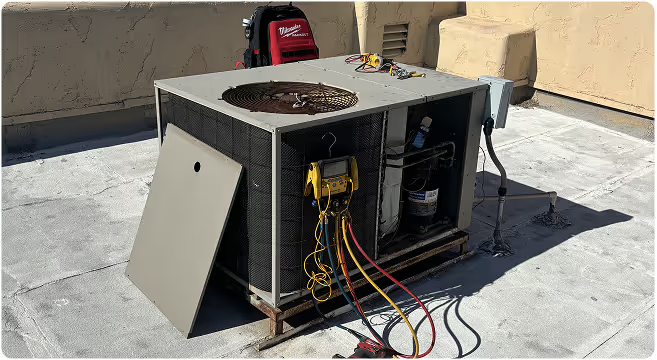
Facility managers have a brief window this fall to evaluate aging RTUs that struggled through summer. Use this framework to decide whether to repair or replace your system before the cold hits.
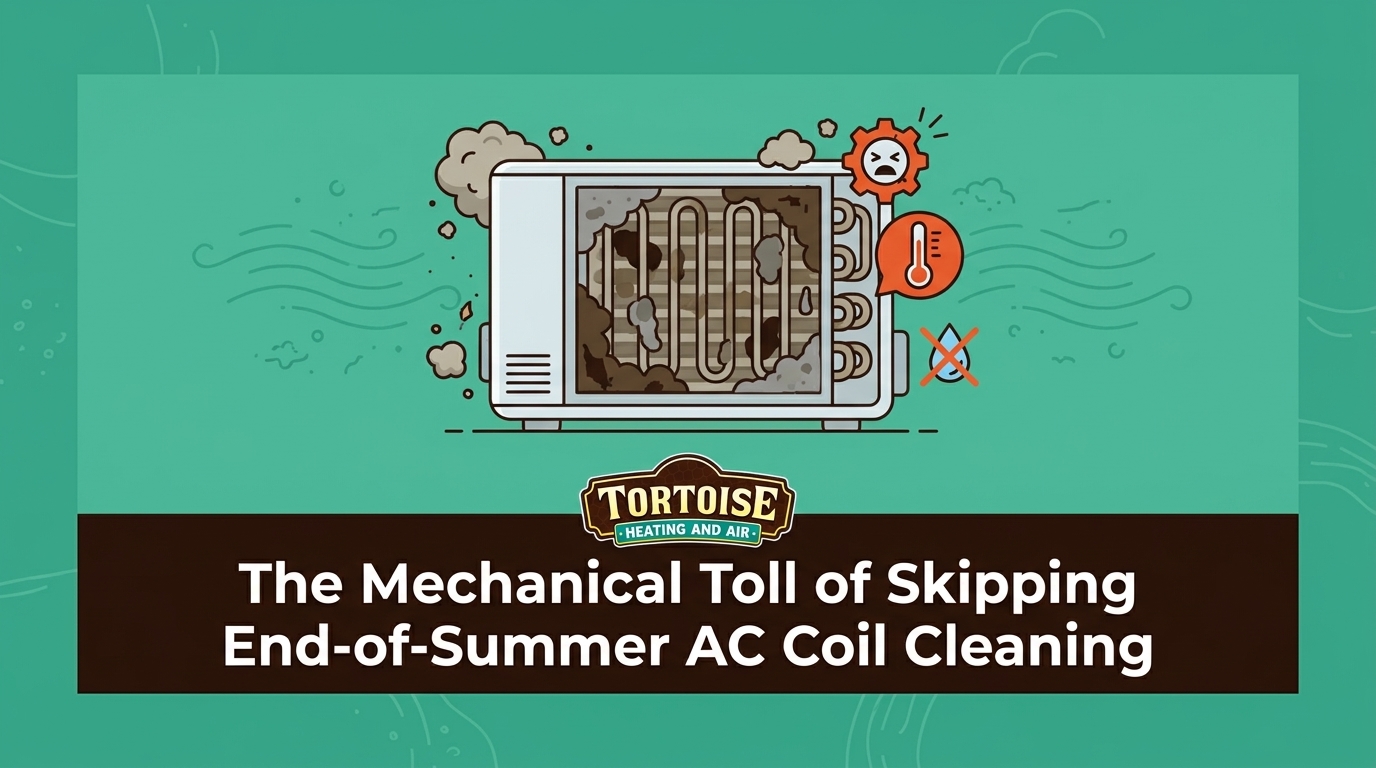
Monsoon season leaves baked-on debris coating your AC condenser. Before letting that grime sit dormant all winter, see why post-season cleaning is essential to prevent severe mechanical strain.

Turning on your heating system for the first time this fall shouldn't cause panic. Find out what causes that alarming smoky odor and how to tell a normal seasonal burn-off from a real hazard.

Get essential HVAC maintenance tips from Tortoise Heating and Air to boost comfort and efficiency in your home. Improve performance—learn more today!
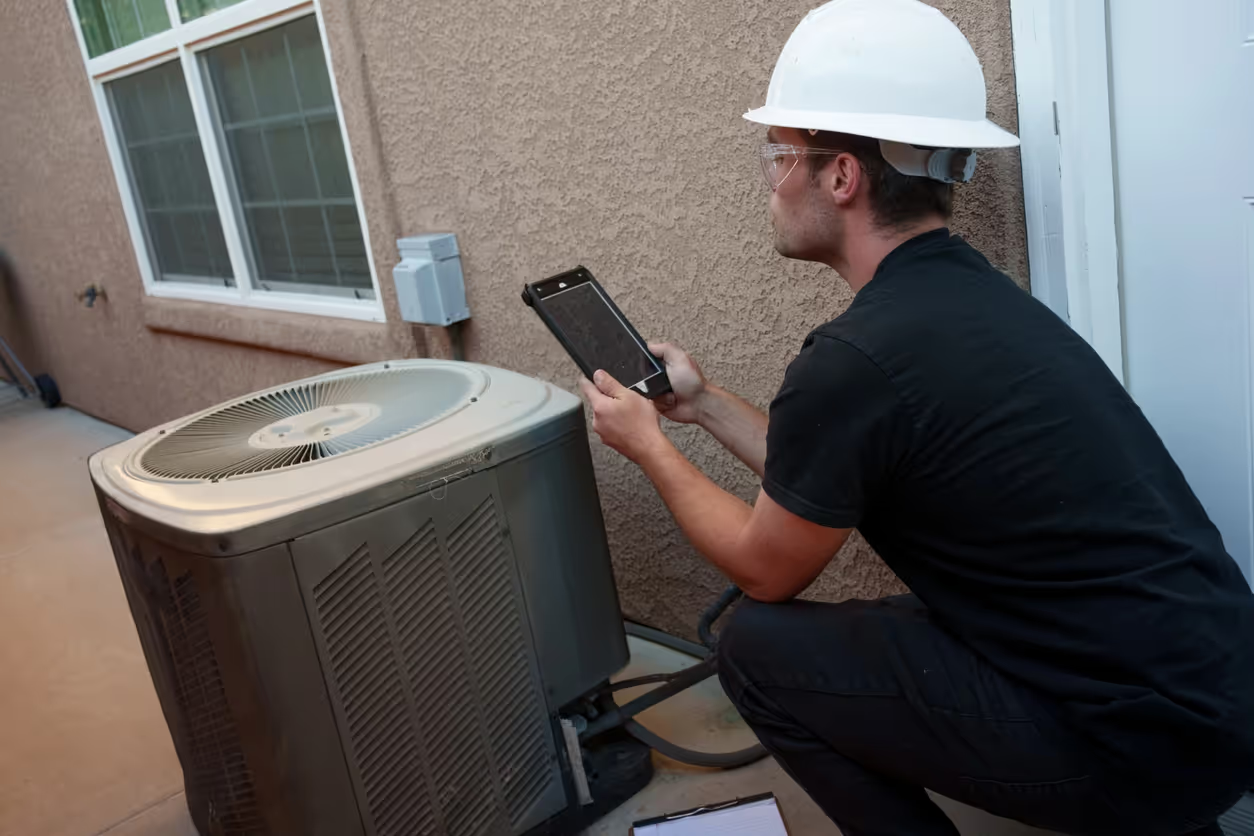
Understand common HVAC problems and keep your system running smoothly with Tortoise Heating and Air. Prevent issues year-round—learn more now!
Choosing the right HVAC system for your home is easier with Tortoise Heating and Air. Explore expert insights and key factors—learn more today!